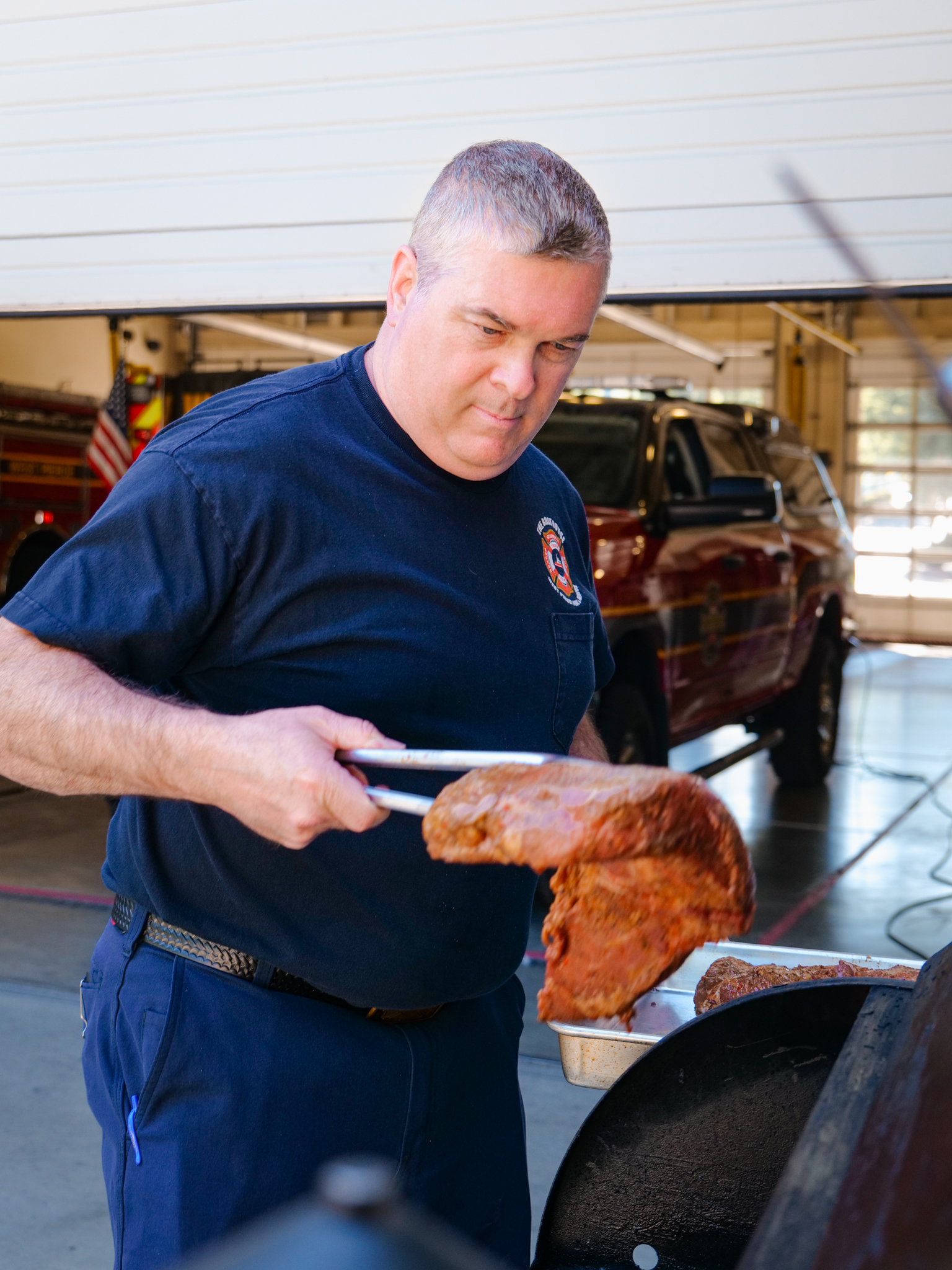
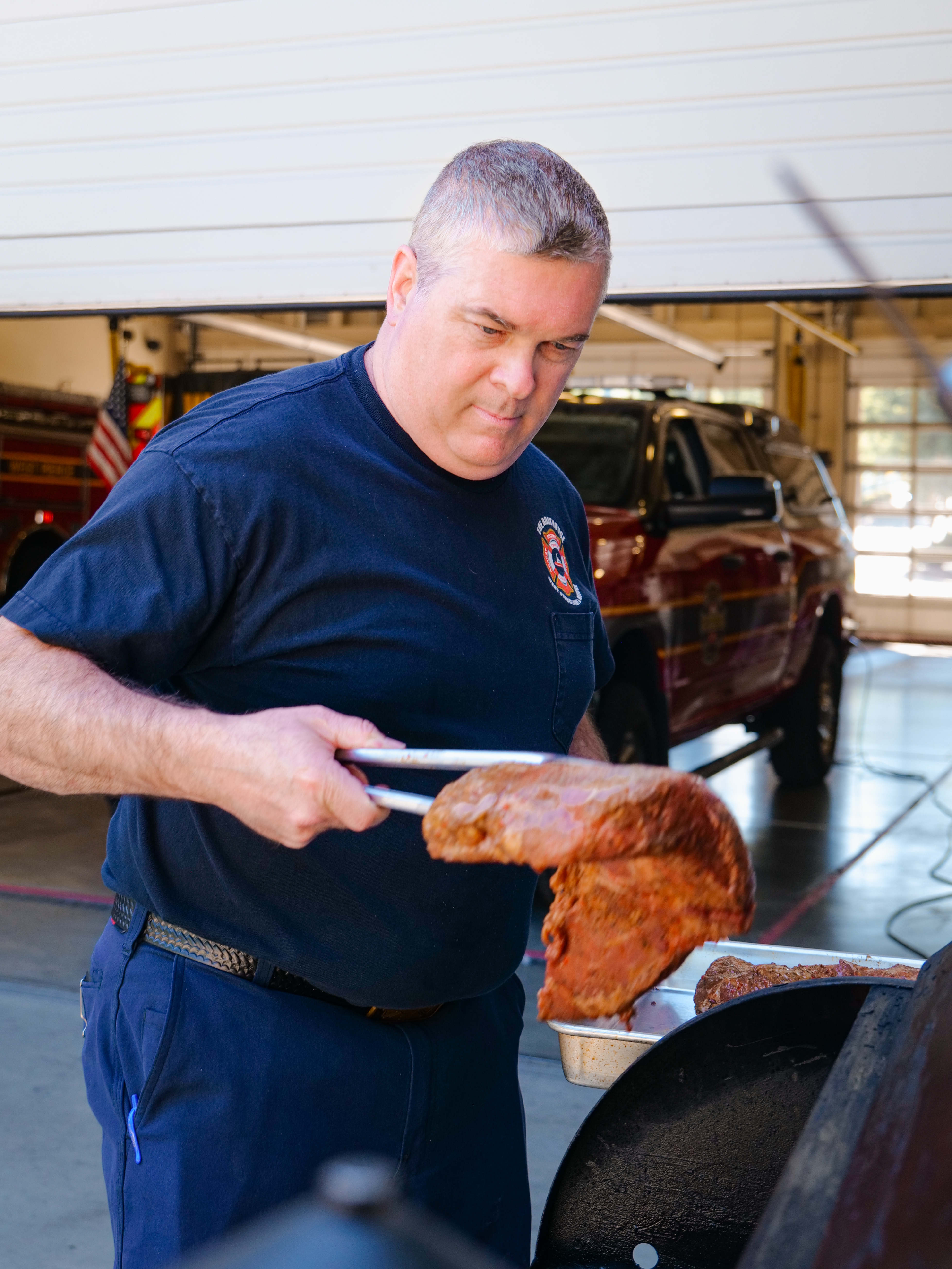
July: Peak Month for Grill Fires
Nothing beats a juicy cheeseburger or a perfectly charred hot dog in the final stretch of a Washington summer.
According to the National Fire Protection Association (NFPA), July sees more grill fires than any other month.
Gas grills are involved in nearly 9,300 home fires nationwide each year. About 1 in 5 of those fires started because the grill wasn’t clean.
Just because July’s almost over doesn’t mean you can’t freshen up on grill safety. Statistically, August is close to being just as busy.
Grill smart, every time:
- Use propane and charcoal grills only outdoors
- Place grills at least 10 feet from any structure — including your house, garage, or deck
- Trim back any overhanging branches
- Keep your grill clean by removing grease or fat buildup from the grates and trays
If your grill catches fire…be ready before you even light it. Always have nearby:
- A fire extinguisher
- A phone
- Heat-resistant gloves
- Baking soda (not baking powder!)
Why baking soda? It releases carbon dioxide, helping smother flames. Don’t confuse it with baking powder – baking powder or other powders like flour can cause the burning grease to splatter or spread.
Never use water to extinguish a grease fire. If you can, turn off the grill’s burners and close the lid and any vents to starve the fire of oxygen.
If the propane tank itself is part of the fire, leave the area immediately, call 911, and leave it for the fire department.
If anyone is burned in the process:
- Do NOT put ice on the burn – run it under cool (not cold) water
- Cover and protect the burn with sterile, non-adhesive bandage or clean cloth
- Do not break burn blisters (this can increase your risk of an infection)
Data from the U.S. Consumer Product Safety Commission (CPSC) shows an average of 21,682 patients go to the emergency room each year for grill-related injuries.
Any burn where the skin is charred, leathery, burned away, or has no feeling is considered severe and should receive medical attention right away.
According to the Nationwide Children’s Hospital, any “blistering, swollen burn that covers an area larger than the size of your child’s hand, or any burn that is on the hand, foot, face, genitals, or over a joint, is a serious injury” and should be seen immediately.
A few weeks ago, West Pierce Fire & Rescue upgraded its Burn Ban to match the Stage 2 Burn Ban in effect for unincorporated Pierce County. The changes apply to all of WPFR jurisdiction including University Place, Lakewood, and Steilacoom.
Under the ban, charcoal, gas/propane, and pellet grills/smokers are only allowed if they are on a non-combustible surfaces like concrete.
If you’re going to burn something this summer, better it be the meat — not your home!